
Washington Hits Italian Pasta With 107% Tariff

Trump Administration Strikes Again: New Tariffs on Italian Pasta
The Trump Administration has done it again—and this time, one of the flagships of Made in Italy has been hit: pasta.
Washington has announced an additional 91.74% tariff on imports from Italy.
This tariff will be added to the 15% already applied to the European Union, bringing the total to 107%, starting in January 2026.
A Bit of Context
The decision stems from an annual investigation conducted by the U.S. Department of Commerce, following complaints by several American pasta producers.
Usually, these reviews lead to minor tariff increases—1 or 2 percentage points—but not this time.
The report states that two market leaders, La Molisana and Garofalo, sold pasta at excessively low prices between July 2023 and June 2024, violating anti-dumping rules.
Other Italian exporters, including Barilla, were also mentioned. However, since Barilla already operates production facilities in the United States, the impact of the new tariffs should be smaller.
A Strategic Market for Italian Pasta
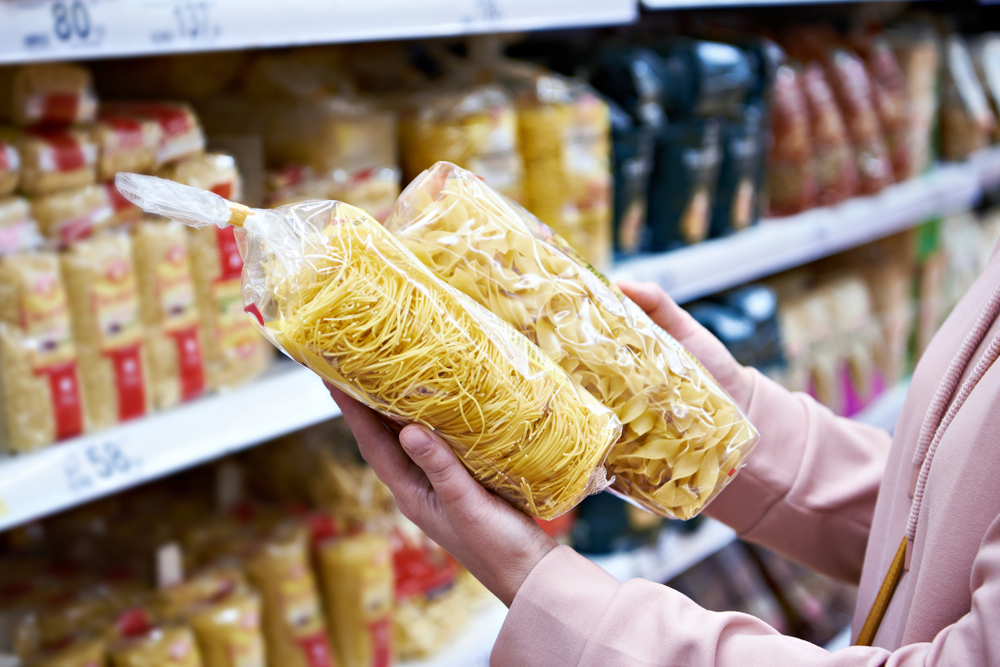
This decision is striking not only for its attack on Italy’s beloved culinary tradition but also for its potential impact on Italian pasta exports.
The United States is the second most important export market for Italian pasta, with an annual value close to $800 million.
Overall, Italian pasta exports amount to €4 billion (ISTAT), representing roughly 60% of total national production.
A “Fatal Blow to Made in Italy”?
The Coldiretti association has called the U.S. move a “fatal blow to Made in Italy”, warning that a 107% tariff would double the cost of a plate of pasta for American families, paving the way for the Italian Sounding phenomenon.
What Is “Italian Sounding”?
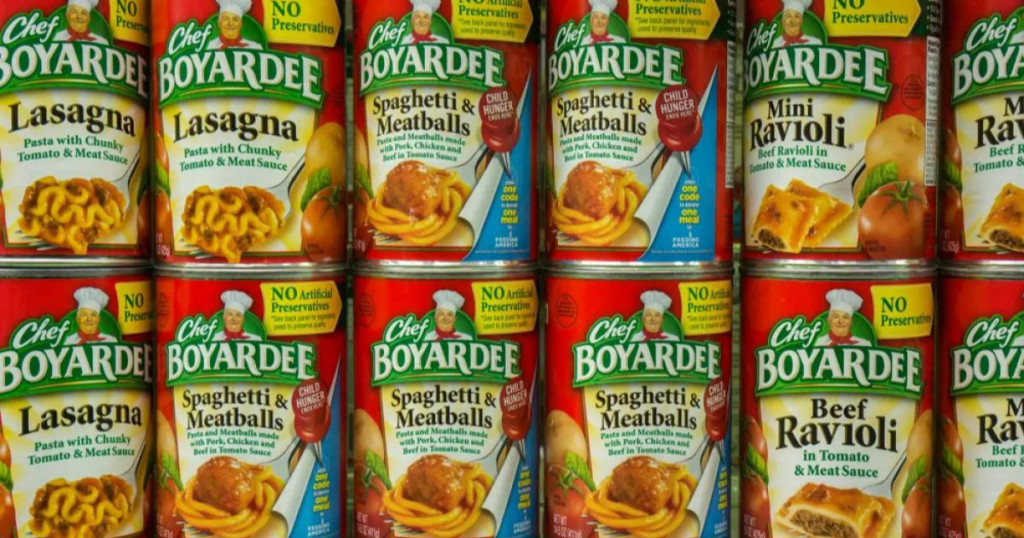
Italian Sounding refers to products like “Parmesan,” “Zottarella,” or the well-known “Pompeian Oil.”
In short, it describes items that mimic Italian names, colors, and symbols.
It may sound humorous, but the phenomenon is anything but small: it’s worth over €100 billion globally each year, stealing major market share from genuine Italian products, confusing consumers and weakening the image of quality associated with Italy’s agri-food industry.
Yet, The U.S. Market Remains Crucial
Despite the tariffs, the U.S. market remains vital for the Italian agri-food sector.
Over 55% of Americans consume pasta regularly during the week—and the trend is growing.
The market increasingly demands fast, easy-to-prepare meals, fitting the hectic lifestyle of the average American family.
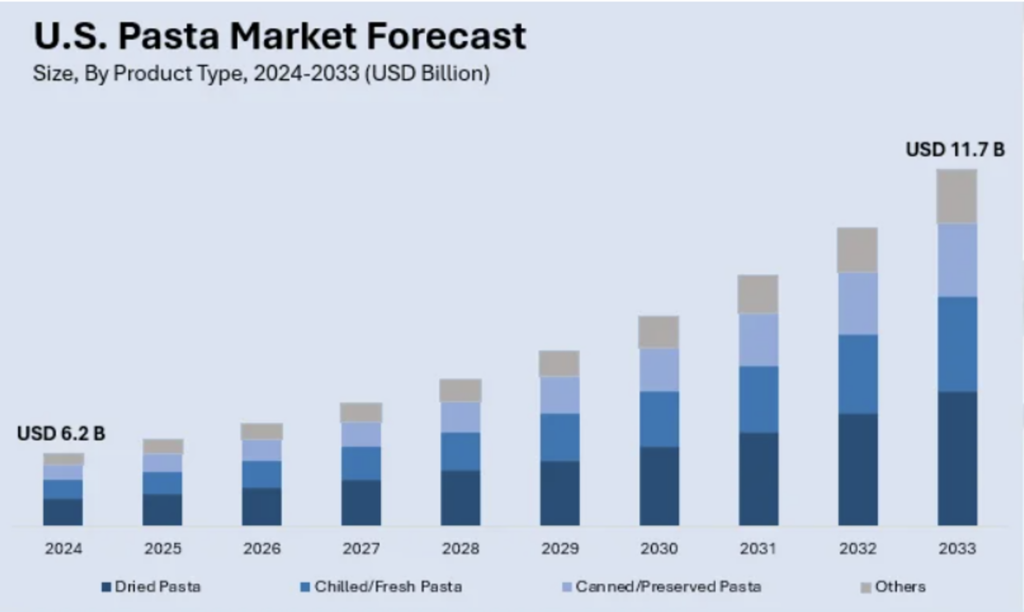
Source: IMARC Group.
Lessons for Italian Companies
This situation shows, once again, that quality alone is no longer enough to succeed internationally.
In a world where political decisions can overturn long-standing trade balances overnight, companies cannot afford to approach the U.S. market unprepared.
At Roncucci & Partners, we help companies develop themselves and their business, embrace change, and evolve to thrive in an increasingly complex and challenging world that demands deep expertise. We do this by applying precise methods and rigorous strategies, built on years of experience and enriched by the many success stories we have led around the globe.
Passion and method are our guiding principles — to enhance the present and build the future.
Related Articles: