
Reducing Supply Chain Risks in the Mechanical Sector: Why Serbia and India Are Worth Considering
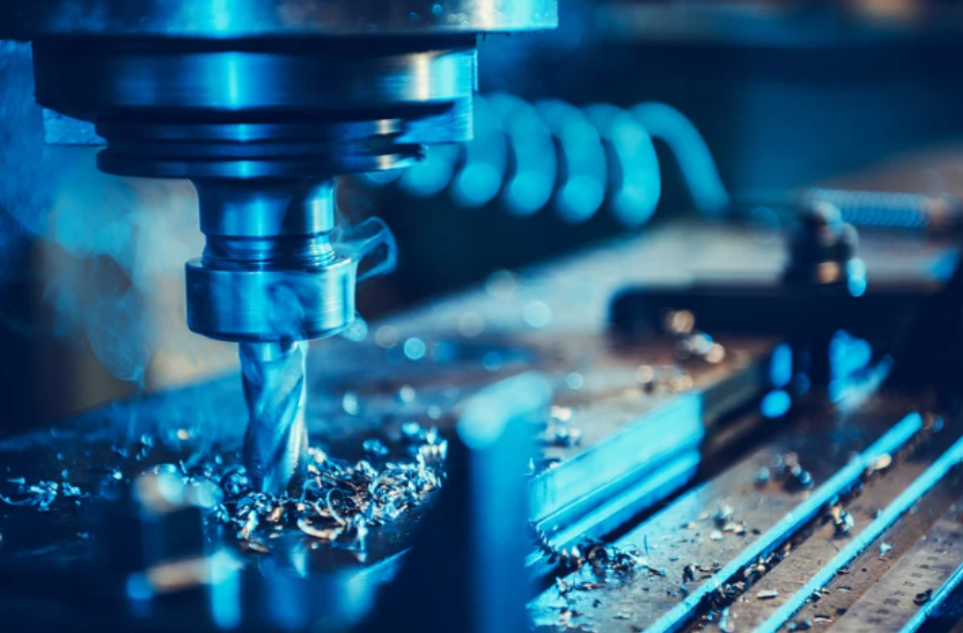
Italy’s metalworking and mechatronics industry generates almost half of the country’s manufacturing value added and accounts for more than 40% of national exports. It is one of the main strengths of our industrial system, thanks to its technical expertise, specialisation and ability to serve international markets.
Even a sector of excellence, however, must navigate an increasingly complex environment.
In spring 2026, almost one in two companies in the miscellaneous and related mechanical engineering sector expected a decline in turnover, while more than eight in ten reported an increase in production costs.
Less predictable order volumes, rising raw material and component prices, and higher logistics costs are putting increasing pressure on margins. This is compounded by the disruptions that have affected global supply chains in recent years, making supplier management an increasingly strategic factor in ensuring production continuity.
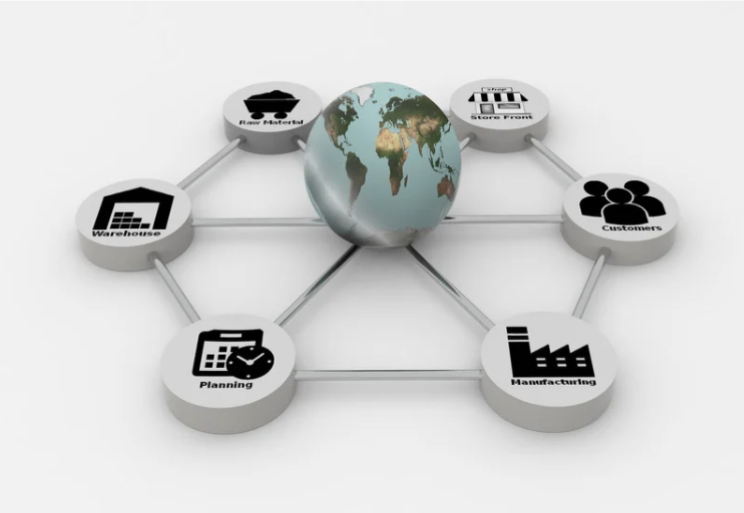
How can companies reduce these risks and protect their margins?
A significant part of the answer lies in supply chain management.
How Well Do We Really Know Our Suppliers?
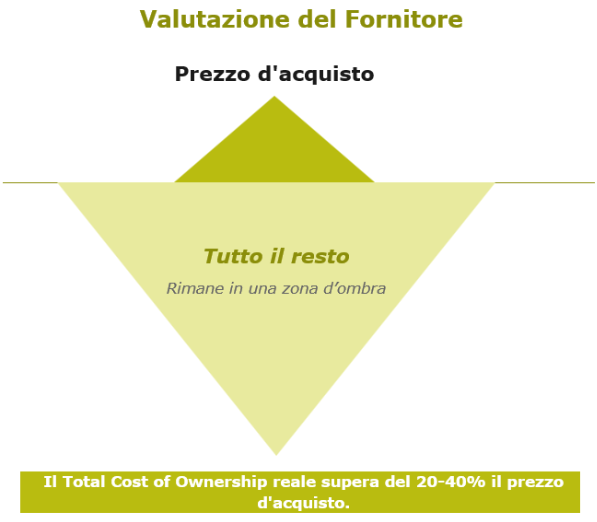
Sourcing is often approached as a straightforward task: finding a company that can manufacture a specific component at a competitive price.
Today, however, this approach is no longer enough. Supply chains need to be reconsidered strategically to protect production, turnover and margins.
There is frequent discussion about the need to diversify, but much less attention is given to how, when and where diversification should take place.
An Italian or European supplier may appear to be a safe choice but could depend entirely on a process carried out in Asia. Similarly, two formally separate suppliers may purchase components or raw materials from the same upstream producer.
Diversification can therefore be more formal than substantial. Having more names on an approved supplier list does not necessarily mean having a genuinely diversified supply chain.
The question to ask is not just “how much does it cost?”, but “what happens if they don’t deliver tomorrow?” and “how can we reduce the risk of that happening?”.
These questions were the starting point for the webinar organised by Roncucci&Partners on July 22nd: “Reducing supply chain risk in the mechanical sector: real cases from Serbia and India”.
The topic was addressed based on experiences developed for Italian mechanical companies through the Roncucci&Partners teams present in India and Serbia.
Why choose Serbia and India?
Serbia and India represent two different but complementary directions for Italian mechanical companies.
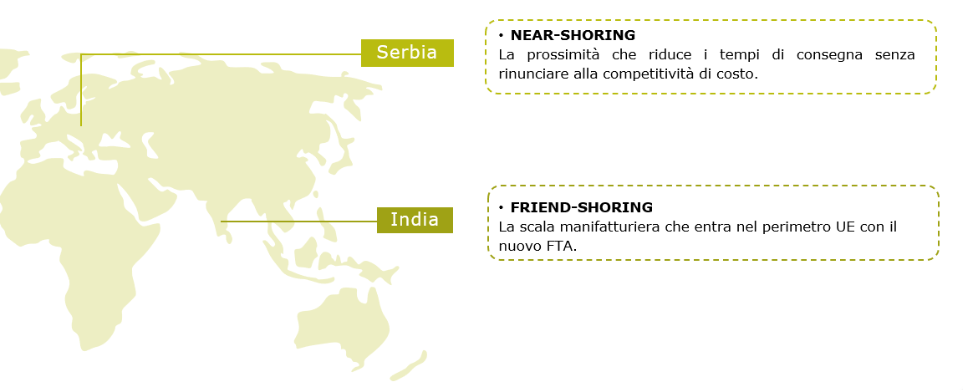
Serbia primarily responds to a nearshoring logic: bringing part of the supply chain closer, containing logistics times and making it easier to communicate with the manufacturer.
India, on the other hand, offers the breadth and depth of a large, growing manufacturing system, supported by industrial investments and increasingly close economic relations with Europe.
Diversifying does not mean moving all supplies to a new country, replacing one dependency with another. The choice must start from the type of component, volumes, delivery times, level of customisation and the frequency with which it is necessary to interact with the manufacturer.
When it makes sense to look at Serbia
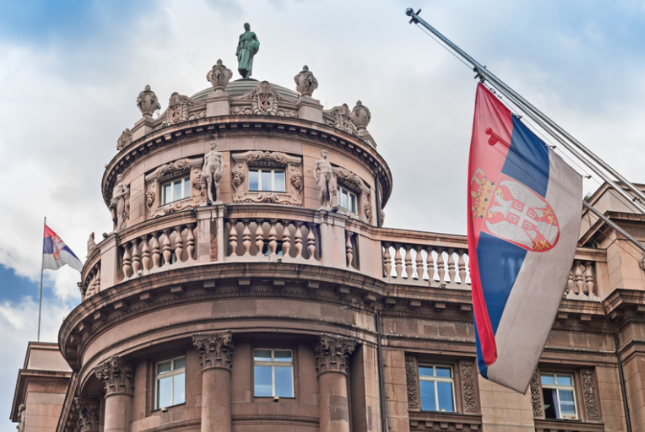
Serbia represents a nearshoring opportunity for companies that want to bring part of their production closer, reduce logistics times and maintain a more direct relationship with the supplier.
Its proximity to Italy, land connections and integration with European industrial supply chains make it particularly interesting for customised components, variable batches and processes that require frequent technical consultation.
This is complemented by a long-standing tradition in mechanical engineering, metalworking, treatments and industrial components. According to the Development Agency of Serbia, the metallurgical and machinery sector accounts for about 6% of national GDP, while metalworking generates about 20% of Serbian exports. The sector also has skills trained to meet European standards.
Proximity facilitates relationships and verification activities, which nevertheless remain essential to identify the most suitable partner.
When it makes sense to look at India

India follows a different logic.
The country offers a large and growing manufacturing system, with expertise in metal and polymer components, custom manufacturing, cast and forged products, automotive and precision mechanics.
It can be an interesting destination when a company seeks a broader base of manufacturers, specialist capabilities, higher volumes or a structural second source compared to other Asian markets.
In recent years, India has invested heavily in strengthening its manufacturing capacity and developing specialised industrial clusters. Furthermore, the conclusion of negotiations for the free trade agreement between India and the European Union indicates the desire to build increasingly close commercial and industrial relations.
Looking at India today therefore means considering already concrete opportunities and, at the same time, preparing for a market destined to take on a growing role in European supply chains.
However, India is not a uniform market.
Different production areas present different specialisations and maturity levels. Having a large number of potential manufacturers available does not necessarily make selection easier. On the contrary, it increases the importance of understanding where to look, what information to verify and how to distinguish an interesting contact from a truly reliable partner.
Finding suppliers is easy. Choosing the right ones is much harder
For 25 years, Roncucci&Partners has been supporting companies in the strategic search for international partners and suppliers, through teams of professionals present directly in the strategic markets of India, Serbia and China.
People who know the local language, culture and dynamics, but also the technical aspects to evaluate for safer sourcing: company stability, real production capacity, experience with similar processes, quality of processes, certifications, sub-supplier network, compatibility with required volumes and the ability to respect times and standards.
On-site teams can verify and qualify potential partners, support the replacement of a supplier when necessary and monitor the relationship over time.

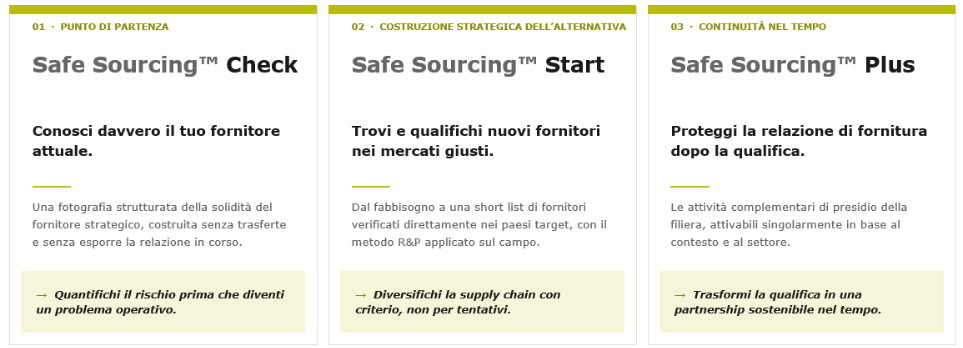
Safe Sourcing™ was born from this experience, the Roncucci&Partners service designed to make the search for suppliers safer and protect the production continuity of companies.
Read also: